
01
The Challenge
Benefits exist. Consistent member engagement is the harder problem.
Medicaid members can lose access to timely support between prenatal visits and after hospital discharge. Transportation barriers, rural distance, fragmented navigation, postpartum follow-up gaps, and limited specialty support can make available benefits difficult to use consistently.
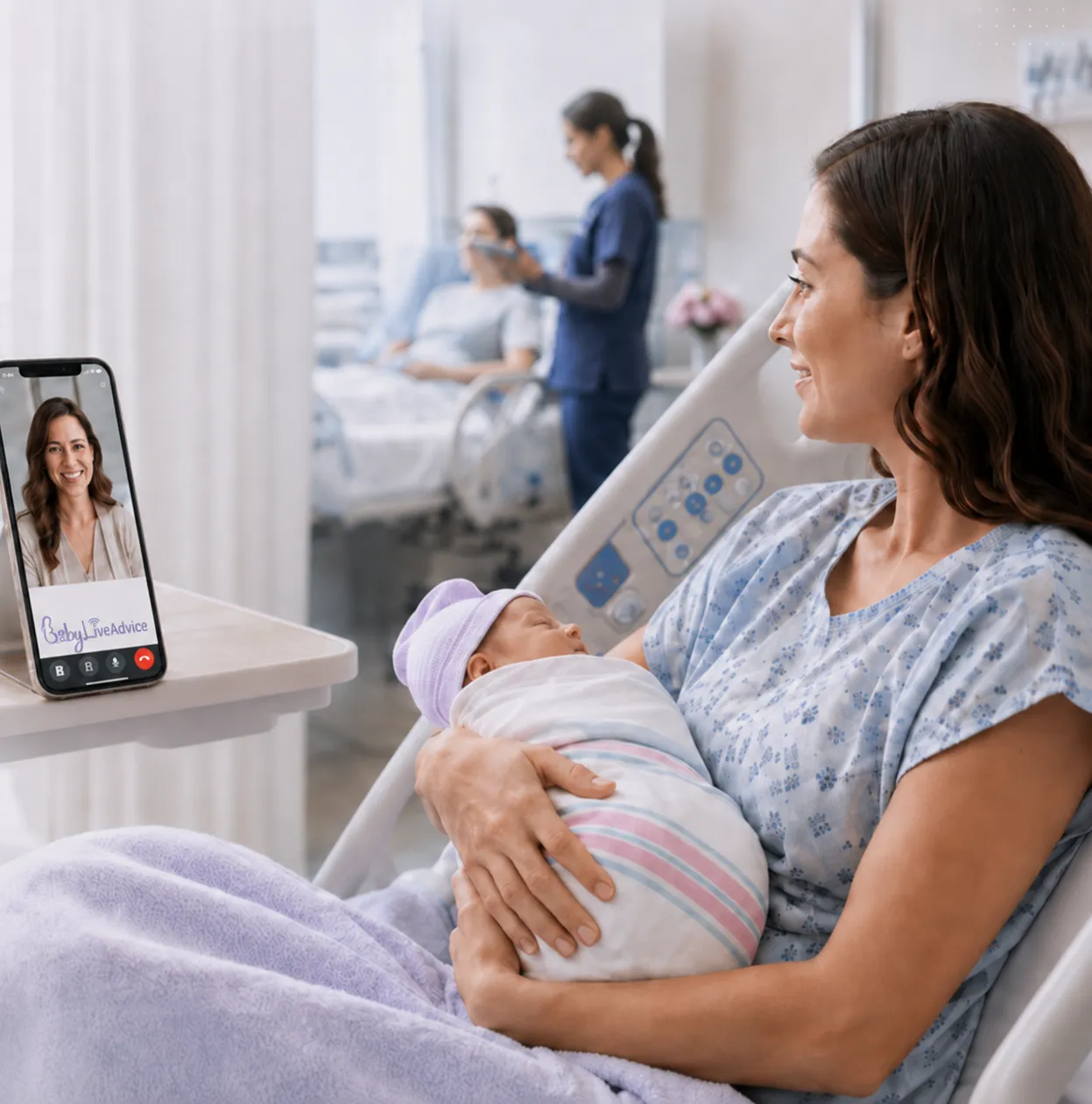
For MHS Health Wisconsin, the opportunity is to make maternal-infant support easier to find through familiar member channels while avoiding a new member-facing platform or proportionate care-management staffing expansion.
02
The BabyLiveAdvice Solution
An MHS-branded virtual extension of existing member services.
BabyLiveAdvice could connect from MHS Health Wisconsin’s existing website, secure member portal, text and email outreach, care-manager referrals, or QR codes. Members would enter a secure browser-based virtual support pathway—no separate app download required.
BabyLiveAdvice would provide virtual clinical and educational capacity, scheduling, member communication, outreach, follow-up, documentation, reporting, and escalation pathways coordinated with existing health-plan and network care teams.
Services available for plan configuration
- Prenatal education, birth preparation, hypertension education, diabetes and nutrition support
- Lactation, postpartum recovery education, newborn feeding and infant-care guidance
- Maternal mental-health education and appropriate support, referrals, and escalation
- NICU/high-risk transition education, care navigation, and connection to network providers
Member journey
- Identify
- Connect
- Engage
- Support
- Follow Up
- Escalate
- Measure
The model supplements rather than replaces obstetric, pediatric, hospital, behavioral-health, and plan care-management services.
03
Outcomes & Measurement
Proposed performance measures—not reported results for MHS Health Wisconsin:
Member engagement
Eligible members reached; members completing visits; repeat engagement
Care continuity
Postpartum follow-up activity; referrals; care gaps identified; appropriate escalations
Program operations
Completed virtual encounters; service mix; satisfaction; geographic and language access
Expected operational benefits include easier access to maternal support, improved visibility into engagement gaps, greater continuity after discharge, and additional service capacity without equivalent internal hiring. These are program objectives; actual impact should be established through an MHS-specific baseline and reporting period.
04
Return on Investment
Turn existing benefits into measurable use—without duplicating technology or internal workforce.
- Technology efficiency: reach members through current digital channels rather than commissioning a second member application.
- Workforce capacity: BLA provides supporting virtual services and program operations, limiting the need for equivalent new plan-side staff.
- Care-management efficiency: route appropriate educational and support needs to the virtual team, while escalating clinical concerns to existing network resources.
- Potential medical-cost avoidance: test whether timely postpartum, lactation, nutrition, and mental-health support correlates with lower avoidable utilization.
- Flexible contracting: enterprise fee, population-based or PMPM arrangement, eligible covered-service reimbursement, or a hybrid model, subject to negotiated terms and payer requirements.
ROI methodology: (verified avoided medical and administrative costs + attributable incremental value − total program expense) ÷ total program expense.
Bottom line
MHS could use its existing member access points to make maternal and infant support more accessible while BLA supplies the virtual workforce and delivery infrastructure.