
Every mother and baby develop their own feeding rhythm and together you build confidence through daily practice. While breastfeeding is instinctive for babies, it’s a learned skill for parents — and that’s completely normal. Whether you’re establishing your first feeding routine, managing cluster feeding, or balancing pumping and milk storage, small adjustments can make a big difference in comfort and success.
You don’t have to figure it out alone. Certified lactation consultants and breastfeeding educators are here to support you every step of the way.


Understanding Newborn Feeding Patterns
Understanding how your body prepares to feed your baby helps you feel ready for those first few days after birth.
What’s Normal:
- Cluster Feeding: Periods when your baby wants to nurse frequently — often in the evenings or during growth spurts. Frequent feeding helps to boost your milk supply.
- Night Feedings: Newborns often wake to eat every 3–4 hours. Night feeds are essential for growth and supply.
- Growth Spurts: Expect temporary increases in feeding frequency around 2 weeks, 6 weeks, and 3 months.
Helpful Insight
Newborns show early hunger cues, like rooting or hand-to-mouth, long before they cry. Feeding during these gentle signals leads to calmer latches, smoother nursing, and a healthy milk supply.
Safe Breast Milk Storage Guidelines
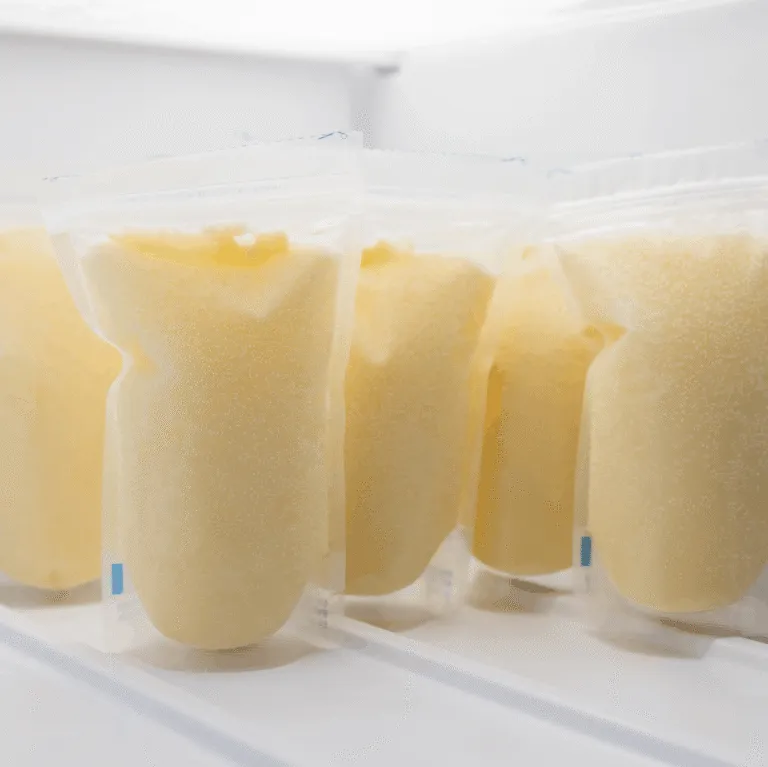
Breast milk is perishable like any other food, so keeping track of time and temperature is important to avoid feeding your baby spoiled milk. There are several easy ways to remember how to track this. The 4-4-4 method provides an easy way to remember time and temperature.
Using the 4-4-4 Method:
- Room temperature Up to 4 hours
- Short-term – Refrigerate Up to 4 days
- Mid-term – Freeze Up to 4 months (best)
- Long-term – Freeze Up to 12 months (acceptable)
Gentle Reminder?
Breast milk is perishable, so safe storage matters. The simple 4-4-4 rule—4 hours at room temp, 4 days refrigerated, 4 months frozen—helps keep milk fresh. Always label and use the oldest first.

Paced Bottle Feeding
When a baby receives expressed breast milk, paced bottle feeding mimics the breastfeeding rhythm and reduces overfeeding.
Paced Bottle Feeding Basics:
- Hold your baby semi-upright.
- Use a slow-flow nipple.
- Pause every few minutes to burp and switch sides.
- Let your baby set the pace, avoid forcing the bottle.
Want to explore lactation with an expert?
Did You Know?
Paced bottle feeding helps mimic the rhythm of breastfeeding. With a slow-flow nipple, pauses, and baby-led pacing, it supports healthy intake and reduces the risk of overfeeding.

Supporting Milk Supply & Comfort
Pregnancy naturally changes your breasts to prepare for milk production. You can support this process through gentle self-care and awareness.
Milk Supply Tips:
- Practice Skin-to-Skin: Encourages feeding cues and hormone release.
- Feed Frequently: Emptying the breast signals your body to make more milk.
- Use Hand Expression: Helps relieve fullness and stimulate supply.
- Rest & Hydrate: Fatigue and dehydration can lower production.
- Pain Relief: Occasional ibuprofen use while breastfeeding is considered safe; always check with your healthcare provider.
Helpful Insight: Feeding often, skin-to-skin time, and gentle hand expression all support your milk supply. Staying rested, hydrated, and managing discomfort can make breastfeeding smoother and more comfortable.
When to Reach Out for Help
If breastfeeding is painful, your baby isn’t gaining weight, or you’re unsure about latch or supply, reach out for support right away. Lactation consultants can help you to make adjustments or find solutions to help you and your baby thrive.
Certified Lactation Consultants Can:
- Assess latch and positioning.
- Help you to manage soreness or blocked ducts.
- Teach effective hand expression or pumping.
- Support you after C-section, surgery, or premature birth.
Find a Lactation Consultant Now
Support Reminder
If breastfeeding is painful or you’re unsure about latch or supply, reach out early. A lactation consultant can assess feeding, ease soreness, and guide you with personalized support.
You are doing a great job!
Every feeding — big or small — is an act of love. Whether your journey includes direct breastfeeding, pumping, or a combination of both, know that help and encouragement are always available.
Schedule a session with a certified lactation consultant or join our next online class today.
