
Your Guide to the First Days at Home
Your baby is here. And suddenly everything can create a question.
Is my baby eating enough? Is this diaper normal? Why is my baby making that sound? Why won’t my baby sleep? Is this normal?
The first days with a newborn involve a lot of learning — for your baby and for you. You don’t need to know everything. Start with the basics: feeding, sleeping, diapers, comfort and knowing when to ask for help.
Have a newborn question?


Feeding Your Newborn
Newborns eat frequently because their stomachs are small and they are growing quickly. For many healthy full-term newborns, feeding is responsive — watching for the baby’s hunger cues rather than relying only on the clock. Individual feeding needs can differ, particularly for premature babies or babies with medical conditions.
Early Hunger Cues
- Stirring
- Bringing hands toward the mouth
- Rooting
- Lip movements
- Increased alertness
- Sucking movements
Crying can mean hunger too, but it is often a later cue.
Try offering a feeding when you notice early cues rather than waiting until your baby is very upset.
Diapers Tell You a Lot
One of the simplest ways to watch how your newborn is doing is to pay attention to diapers. During the first days, the number and appearance of wet and dirty diapers changes as feeding becomes established.
Your pediatrician or lactation consultant can tell you what to expect based on your baby’s age, feeding method and medical history.
Keep Track of:
- Time
- Feeding
- Wet Diaper
- Stool
- Notes
If you’re concerned that your baby is not urinating or stooling as expected, contact your baby’s healthcare provider.


Newborn Sleep
Newborn sleep is very different from adult sleep. Your baby’s sleep may happen in short stretches throughout the day and night. For now, don’t focus on getting your newborn onto a perfect schedule. Focus on safe sleep.
ABCs of Safe Sleep
A
Alone
Keep pillows, blankets, stuffed toys, bumpers and other soft items out of baby’s sleep area.
B
Back
Place baby on the back for every sleep.
C
Crib
Use a safety-approved crib, bassinet, portable crib or play yard with a firm, flat sleep surface and fitted sheet.
CDC also recommends keeping baby’s sleep space in the parents’ room, ideally for at least the first six months, while avoiding bed sharing.
Before you walk away, ask: Back? Flat surface? Empty sleep space? If yes, you’re off to a good start.
Why Is My Baby Crying?
Crying is communication. Your baby might be:
- Hungry
- Tired
- Wet or dirty
- Too warm or too cold
- Overstimulated
- Uncomfortable
- Needing closeness
- Experiencing pain or illness
Start with the basics.
The Baby Check
Hungry? Diaper? Too warm or cold? Needs burping? Overtired? Needs to be held or soothed?
If your baby continues crying and something feels different or concerning, call your baby’s healthcare provider.


Soothing Your Baby
Different babies like different things. Try:
- Holding baby close
- Skin-to-skin
- Gentle rocking
- Walking
- Quiet talking or singing
- Reducing lights and stimulation
- Swaddling when developmentally appropriate and done safely
- Feeding when baby shows hunger cues
Sometimes you’ve checked everything and your baby still cries. You are allowed to place your baby safely in their crib for a few minutes while you regroup.
Never shake a baby.

Umbilical Cord Care
Keep the area clean and follow the discharge instructions from your hospital and pediatrician. The cord stump normally dries and eventually separates.
Contact your baby’s healthcare provider if you notice:
- Increasing redness around the cord
- Pus or concerning drainage
- Persistent bleeding
- Bad odor along with other concerning symptoms
- Fever
- Baby acting ill
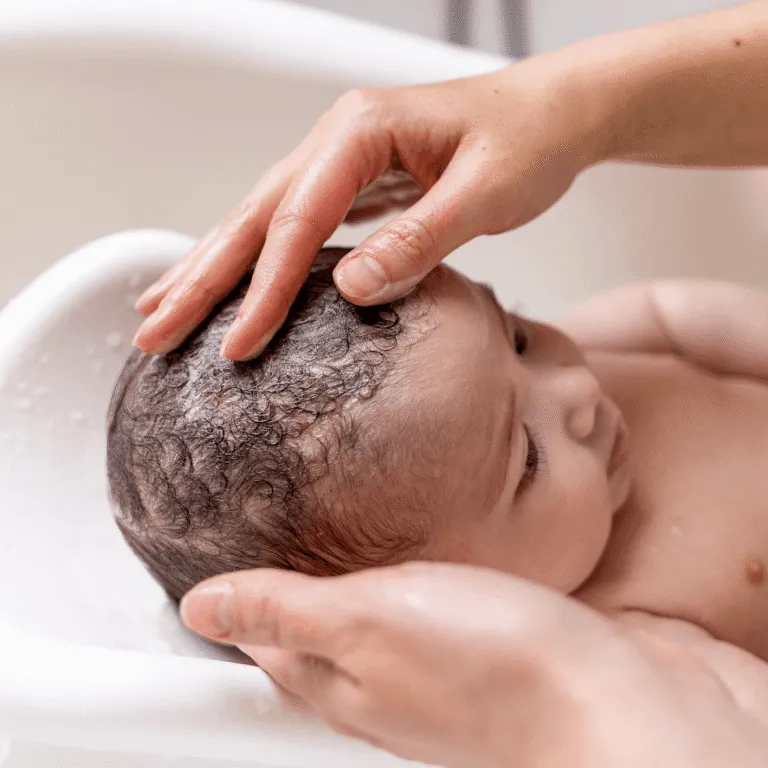
Bathing Your Newborn
Newborns don’t need frequent full baths. Until the umbilical cord area has healed, your baby’s healthcare team may recommend sponge bathing.
Bath Time Basics
- Gather everything first
- Keep one hand on your baby
- Use comfortably warm — not hot — water
- Support baby's head and neck
- Never leave baby alone in water, even briefly
Sometimes you’ve checked everything and your baby still cries. You are allowed to place your baby safely in their crib for a few minutes while you regroup.
Never shake a baby.

What’s Normal?
Newborns can do many things that surprise new parents. You may notice:
- Sneezing
- Hiccups
- Startle movements
- Irregular sleeping
- Frequent feeding
- Peeling skin
- Noisy sleeping
- Changing stool colors
Many newborn behaviors are normal. But the important question isn’t just “Can babies do this?” It is “Is this normal for MY baby, and is my baby otherwise feeding and acting well?”
When Should I Call the Pediatrician?
Newborn illness can sometimes be subtle, and very young babies can become ill quickly. Changes in feeding, alertness, breathing, color or behavior deserve attention.
Call your baby’s healthcare provider if:
- Your baby isn't feeding normally
- Your baby is unusually sleepy or difficult to wake
- Your baby's breathing seems unusual
- Baby's color looks blue, gray or very pale
- Your baby is vomiting repeatedly
- You see signs of dehydration
- Your baby develops a fever
- Something about your baby seems significantly different
For severe breathing difficulty, blue lips or face, inability to wake your baby, or another life-threatening emergency, seek emergency medical care immediately.
If your newborn suddenly looks or acts different and you’re worried, call. You do not need to wait until you are certain something is wrong.
